Sensor - TPMS - Front - LH (Remove and Replace)
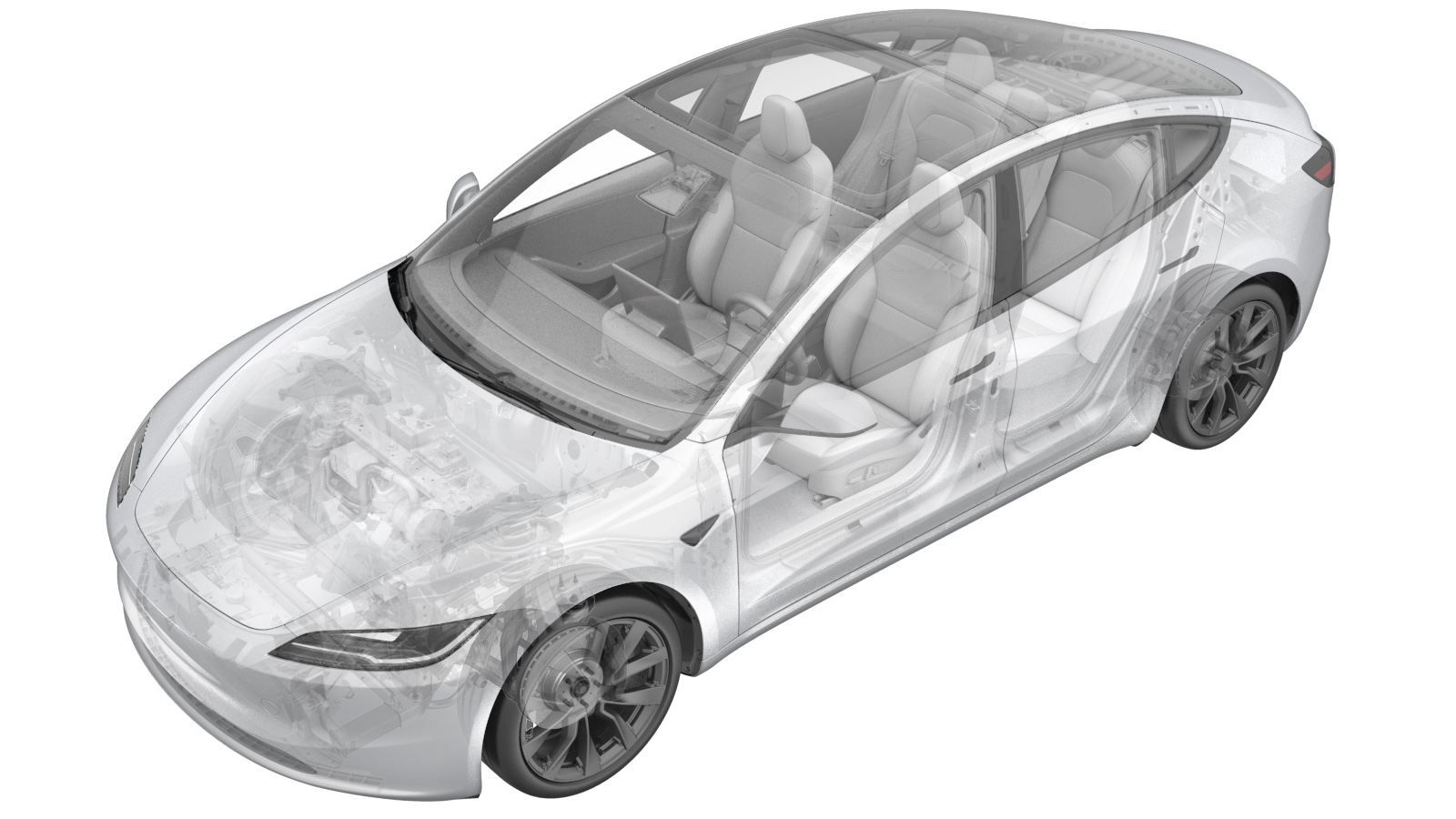 Correction code
34040202
FRT
0.42
NOTE: Unless
otherwise explicitly stated in the procedure, the correction code and its
associated FRT reflect all of the work required to perform this procedure,
including the linked procedures. Do not stack correction
codes unless explicitly told to do so.
NOTE: See Flat Rate Times to
learn more about FRTs and how they are created.
NOTE: See Personal Protection to make
sure you are wearing proper PPE when performing the procedure below.
NOTE: See Ergonomic Precautions for safe and healthy
working practices.
Correction code
34040202
FRT
0.42
NOTE: Unless
otherwise explicitly stated in the procedure, the correction code and its
associated FRT reflect all of the work required to perform this procedure,
including the linked procedures. Do not stack correction
codes unless explicitly told to do so.
NOTE: See Flat Rate Times to
learn more about FRTs and how they are created.
NOTE: See Personal Protection to make
sure you are wearing proper PPE when performing the procedure below.
NOTE: See Ergonomic Precautions for safe and healthy
working practices.
- 2026-01-16: Updated the steps from loosening the upper bead of the tire to completely removing the tire.
- 2025-06-04: Added information on learning sensor ID.
- 2025-02-06: Added information on an updated sensor.
Torque Specifications
| Description | Torque Value | Recommended Tools | Reuse/Replace | Notes |
|---|---|---|---|---|
| Nut that attaches the TPMS sensor to the wheel |
 8 Nm (5.9 lbs-ft) |
|
Reuse |
- Both sensor types can be installed on different wheels on the same vehicle.
- The mounting nuts on both sensor types are cross-compatible, but it is recommended to install the nut that is in newest condition.
Remove
- Remove the wheel. See Wheel Assembly (Remove and Install).
-
Place the wheel on the tire
machine, insert the center clamp, and tighten the cone on the center
clamp.
-
Remove the valve stem cap,
remove the valve core, and allow the tire to deflate.
NoteDiscard the cap and core if replacing with a new TPMS.WarningThe tire will rapidly deflate. Wear proper PPE, such as safety glasses and gloves.
-
Apply lubricant around the
tire and wheel, separate both tire beads from the rim, then remove the tire
from the wheel.
NotePosition the TPMS sensor ahead of the tire machine arm
-
Remove the nut that attaches
the TPMS sensor to the wheel, and then remove the TPMS sensor.
TipUse of the following tool(s) is recommended:
- 11 mm deep socket
Install
-
Remove the nut from the new
TPMS sensor.
TipUse of the following tool(s) is recommended:
- 11 mm deep socket
-
Install the TPMS sensor so
that it fits closely to the wheel.
NotePrior to installation, use an IPA wipe to thoroughly clean the inside and outside of the TPMS sensor mounting hole.NoteVerify that the TPMS seal is fully seated against the base; failure to do so could cause damage to the seal during installation.
-
Install the nut that
attaches the TPMS sensor to the wheel.8 Nm (5.9 lbs-ft)NoteIf a Sysgration (purple) sensor is replaced by a Sensata (black) sensor, install the nut removed from the Sysgration (purple) sensor onto the Sensata (black) sensor to keep the appearance consistency of all the 4 wheels.TipUse of the following tool(s) is recommended:
- 11 mm deep socket
-
Thoroughly lubricate both
beads then mount tire onto rim.
NotePosition the TPMS sensor opposite the tire machine arm.NoteIf sidewall shows "outside," "side facing outwards," or rotation arrow, ensure the tire is oriented properly.
-
Remove the valve stem core
and inflate the tire to seat the bead.
WarningWear appropriate PPE while inflating.CAUTIONDo not exceed the pressure indicated on the tire sidewall.
-
Install the valve stem core,
and then remove the wheel from the tire changer.
- Balance the wheel and tire. See Tire - Front - LH (Balance) (Rebalance).
- Reinstall the wheel. See Wheel Assembly (Remove and Install).